Infrared saunas have become increasingly popular, but there’s often confusion around what it actually does, and how it differs from traditional Nordic saunas.
At The Still Point, we approach sauna as a supportive, restorative tool that works with the body rather than pushing it to extremes.
With the recent reopening of our sauna, we’ve also introduced red light therapy into the space. Before getting into what’s new, it’s helpful to understand how infrared sauna works in the first place.
What is an infrared sauna?
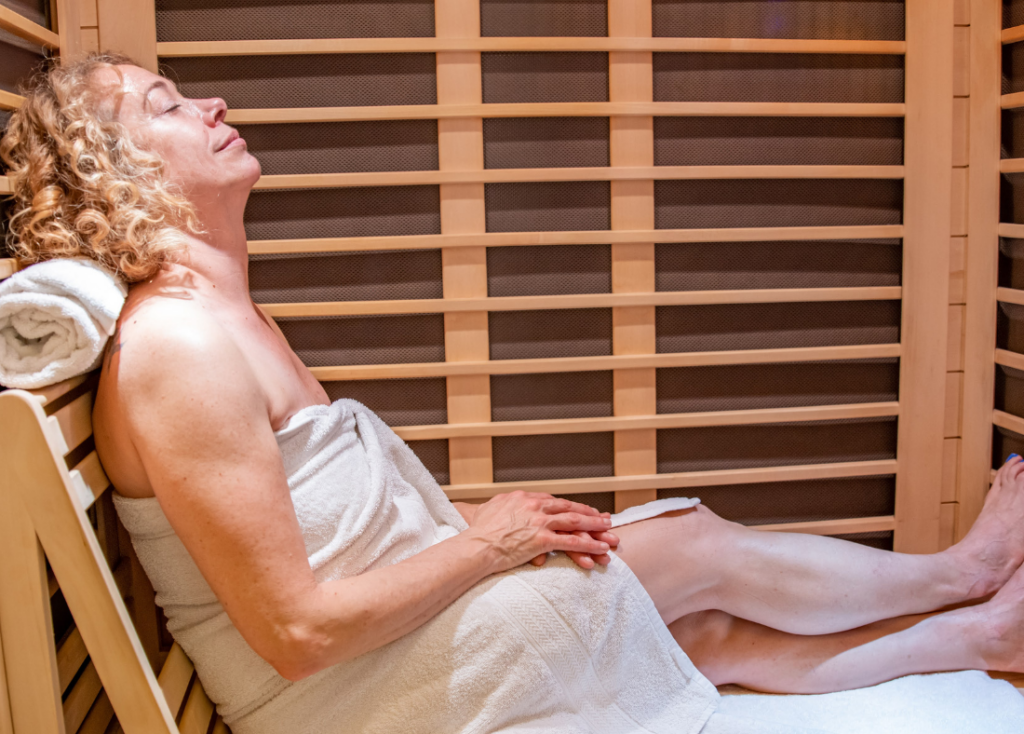
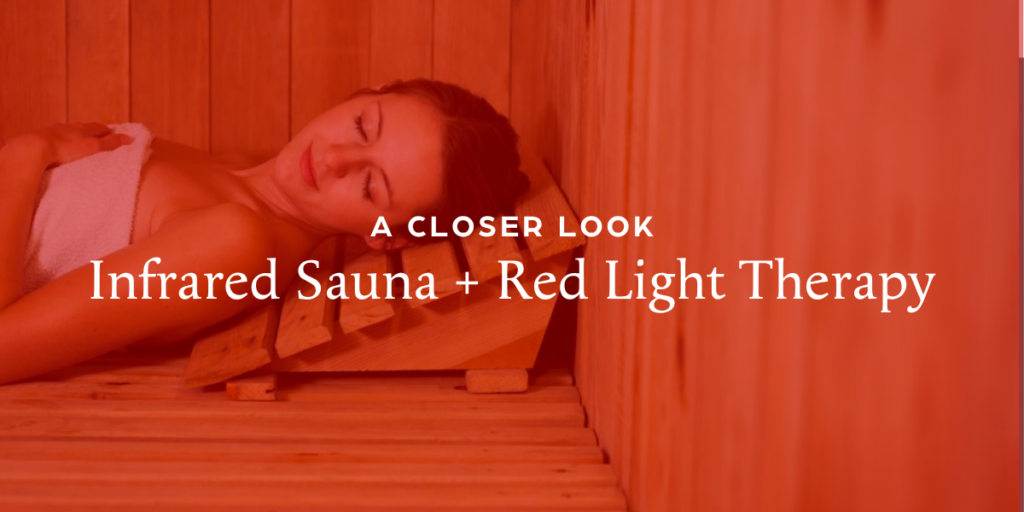
Unlike traditional saunas that heat the air around you, infrared saunas use invisible light wavelengths to gently warm the body directly.
This creates a different experience:
- The temperature is lower (typically up to ~145° vs. 180°+ in traditional saunas).
- The heat feels more gradual and penetrating.
- Many people find it easier to stay in longer and more comfortably.
Rather than sitting in intensely hot air, the body is warmed from within.
What does infrared heat do?
As the body warms, several natural processes are supported:
- Circulation increases as blood vessels dilate.
- Muscles begin to relax, helping reduce tension and stiffness.
- Sweating is stimulated, which is one way the body regulates temperature.
- The nervous system often shifts toward a more relaxed state.
For many people, this results in a sense of deeper relaxation compared to more intense heat environments.
Infrared sauna is often used as part of a broader wellness routine that supports recovery, easing physical tension, and creating space for rest.
Why you may prefer lower heat
One of the advantages of infrared sauna is that it doesn’t require extremely high temperatures to be effective.
Some guests prefer:
- A full, heated session to encourage sweating
- A moderate or lower temperature for a gentler experience
- Or simply a quiet, warm space to rest without pushing the body.
There isn’t one “right” way to use a sauna,it depends on what your body needs that day.
What is red light therapy?
Red light therapy uses specific wavelengths of visible red and near-infrared light.
Unlike heat, this light doesn’t rely on raising temperature to have an effect. Instead, it interacts more directly with the skin and underlying tissues.
It’s commonly used to support:
- Skin health and overall tone
- Circulation
- Cellular activity (often described as supporting the body’s natural repair processes).
The experience is subtle,there’s no sensation beyond the light itself, but it can complement other therapies well.
Why we combined infrared + red light
Rather than adding intensity, we were interested in adding another layer of support. Infrared heat works through warming the body. Red light works through light exposure at a cellular level.
Together, they offer:
- A combination of warmth and light-based support
- The option to receive benefits even at lower temperatures
- A more adaptable experience depending on energy levels, sensitivity, or preference.
What’s new in our sauna
With the sauna now reopened, every session includes red light therapy as part of the experience.
You can choose:
- Full infrared heat (up to 145°)
- Lower heat with red light therapy
- Or a combination of both.
There’s no additional charge,it’s simply part of how we’ve chosen to evolve the offering.
Our approach
We’re less interested in extremes and more interested in consistency. The goal isn’t to push the body, it’s to support it.
For some, that looks like a deep sweat. For others, it’s a quiet, low-heat session with gentle light exposure. Both are valid. Both are beneficial.